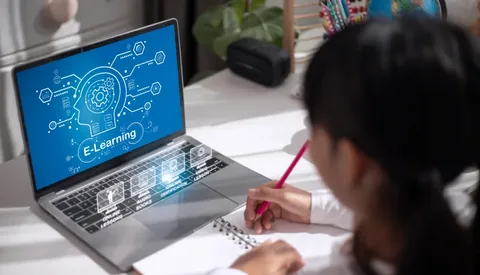
Exploring New Approaches to Digital Education
Education is changing as technology creates new ways for people to learn, share knowledge, and develop practical skills. Traditional classrooms remain valuable, but digital learning offers additional flexibility for students, teachers, and professionals. From interactive lessons to virtual classrooms, modern educational approaches make learning more accessible and allow learners to study at a pace that suits their needs.
One major development is the growing use of online learning platforms that bring educational materials, assignments, assessments, and communication tools together. These platforms help educators organize courses while giving students convenient access to resources. When designed thoughtfully, digital education can make learning more engaging, support different learning styles, and create opportunities for people who might otherwise face barriers to education.
A Learning Management Cloud solution can further support this shift by allowing educational institutions to manage learning activities through cloud-based systems. Teachers can share course materials, monitor student progress, and communicate with learners without depending entirely on physical classrooms. This approach can also help institutions support remote learning and maintain access to educational resources across different locations.
Making Education More Accessible
Accessibility is one of the most important benefits of digital education. Students may live far from educational institutions, have demanding schedules, or face difficulties attending classes in person. Online learning can help address these challenges by providing access to lessons and resources through connected devices.
Recorded lectures, downloadable materials, and flexible assignment schedules allow learners to revisit difficult topics and organize their studies around other responsibilities. This flexibility can be especially useful for working professionals who want to improve their skills without leaving their jobs.
However, accessibility requires more than putting lessons online. Institutions should consider internet availability, device requirements, language preferences, and accessibility features for learners with disabilities. Providing alternative formats and clear instructions helps ensure that digital learning benefits a wider range of students.
Creating More Engaging Learning Experiences
Keeping learners interested can be challenging, particularly when lessons rely heavily on lengthy presentations or passive reading. Digital education offers several ways to make learning more interactive.
Educators can use quizzes, educational games, simulations, videos, and group activities to encourage participation. For example, a science lesson might include a virtual experiment, while a language course could use interactive exercises to help students practise vocabulary.
These activities work best when they support specific learning objectives. Adding animations or games simply for entertainment may not improve understanding. Teachers should choose interactive elements that help explain difficult concepts, encourage critical thinking, and give students opportunities to apply what they have learned.
Supporting Personalized Learning
Every learner has different strengths, interests, and educational needs. Some students understand new ideas quickly, while others benefit from additional examples and practice. Digital tools can help educators respond to these differences more effectively.
Online platforms may provide progress reports, assessment results, and feedback that highlight areas where students need additional support. Teachers can use this information to recommend suitable resources, adjust lesson plans, or offer individual guidance.
Personalized learning does not mean removing teachers from the process. Human encouragement, discussion, and professional judgment remain essential. Technology is most useful when it helps educators understand student needs and provide more appropriate support.
Encouraging Collaboration Beyond the Classroom
Digital education can connect learners who might otherwise have limited opportunities to work together. Discussion boards, shared documents, video meetings, and virtual group projects allow students to exchange ideas and learn from different perspectives.
For instance, students from different regions can collaborate on a research project, compare local experiences, and present their findings online. These activities can strengthen communication, teamwork, and problem-solving skills.
To make collaboration successful, educators should establish clear expectations and divide responsibilities fairly. Students need to understand their individual contributions, deadlines, and the standards used to evaluate group work. Regular feedback can help teams resolve misunderstandings and stay focused on their learning goals.
Using Data to Improve Educational Outcomes
Digital learning systems can provide useful information about attendance, assignment completion, assessment performance, and participation. When interpreted carefully, this information helps educators identify patterns and understand where students may need assistance.
For example, repeated difficulties with a particular topic may indicate that the lesson needs clearer explanations or additional practice activities. Teachers can then adjust their teaching approach instead of waiting until the end of a course to discover learning gaps.
Data should always be handled responsibly. Educational institutions need appropriate privacy protections, clear access rules, and transparent practices for collecting student information. Automated assessments should also be reviewed carefully because numbers alone cannot explain every student’s circumstances or abilities.
Preparing Teachers for Digital Education
Successful digital learning depends on educators who feel confident using technology. Teachers need opportunities to practise with online platforms, develop digital teaching materials, and learn strategies for maintaining student engagement in virtual environments.
Professional development should focus on practical classroom needs rather than technology alone. Educators may benefit from training in online assessment, accessible content design, digital communication, and responsible use of artificial intelligence.
Institutions should also provide ongoing technical support. When teachers can resolve common problems quickly, they can spend more time helping students and less time dealing with software difficulties.
Choosing the Right Digital Tools
Educational institutions should evaluate digital tools according to their teaching goals, budgets, student needs, and existing infrastructure. Important considerations include ease of use, data security, accessibility, technical support, and compatibility with current systems.
Institutions may also compare platforms alongside other business software solutions to understand integration options, administrative requirements, and long-term costs. The final choice should prioritize educational value rather than the number of features available.
Before introducing a tool across an entire institution, testing it with a small group of teachers and students can reveal practical challenges. Their feedback helps administrators make improvements and develop a smoother implementation plan.
Conclusion
Digital education creates new opportunities to make learning accessible, interactive, and personalized. By combining suitable technology with skilled educators, responsible data practices, and meaningful collaboration, institutions can improve learning experiences. Careful planning and continuous evaluation help ensure that digital tools support educational goals while keeping students’ needs at the center of every decision.